Collaboration
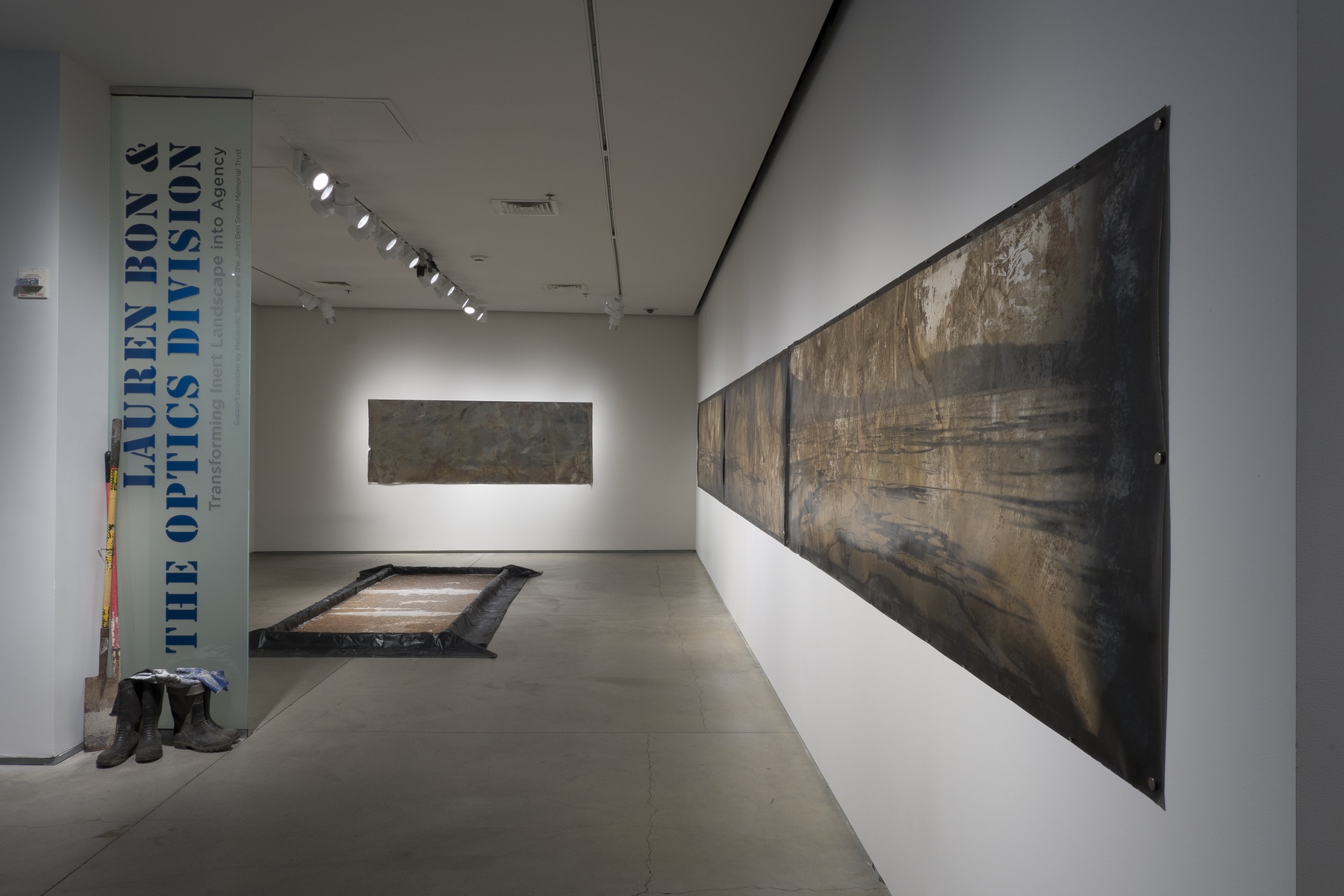
Nevada Museum installation view
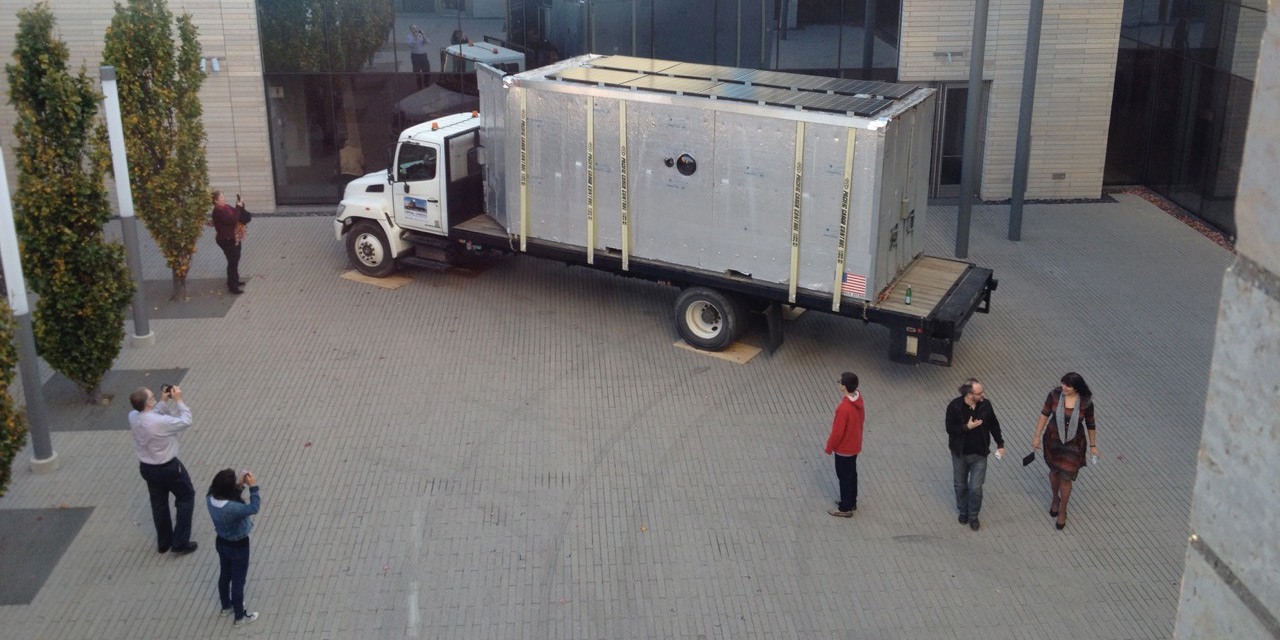
Liminal Camera spends the winter at Visual Studies Workshop in Rochester NY
Richard Nielsen’s work within the Optics Division is shaped by a long and evolving collaboration with Lauren Bon, the artist and founder of the Metabolic Studio. Working together since the mid-2000s, their partnership is rooted in sustained curiosity, shared risk, and a deep attentiveness to materials, land, and process. Ideas move between them through conversation, experiment, and lived experience, forming a creative exchange that is intellectual, emotional, and spiritual. This ongoing dialogue continues to generate new ways of seeing—where photography becomes not only a method of representation, but a shared act of inquiry and care.
Lakebed Development & Desiccation
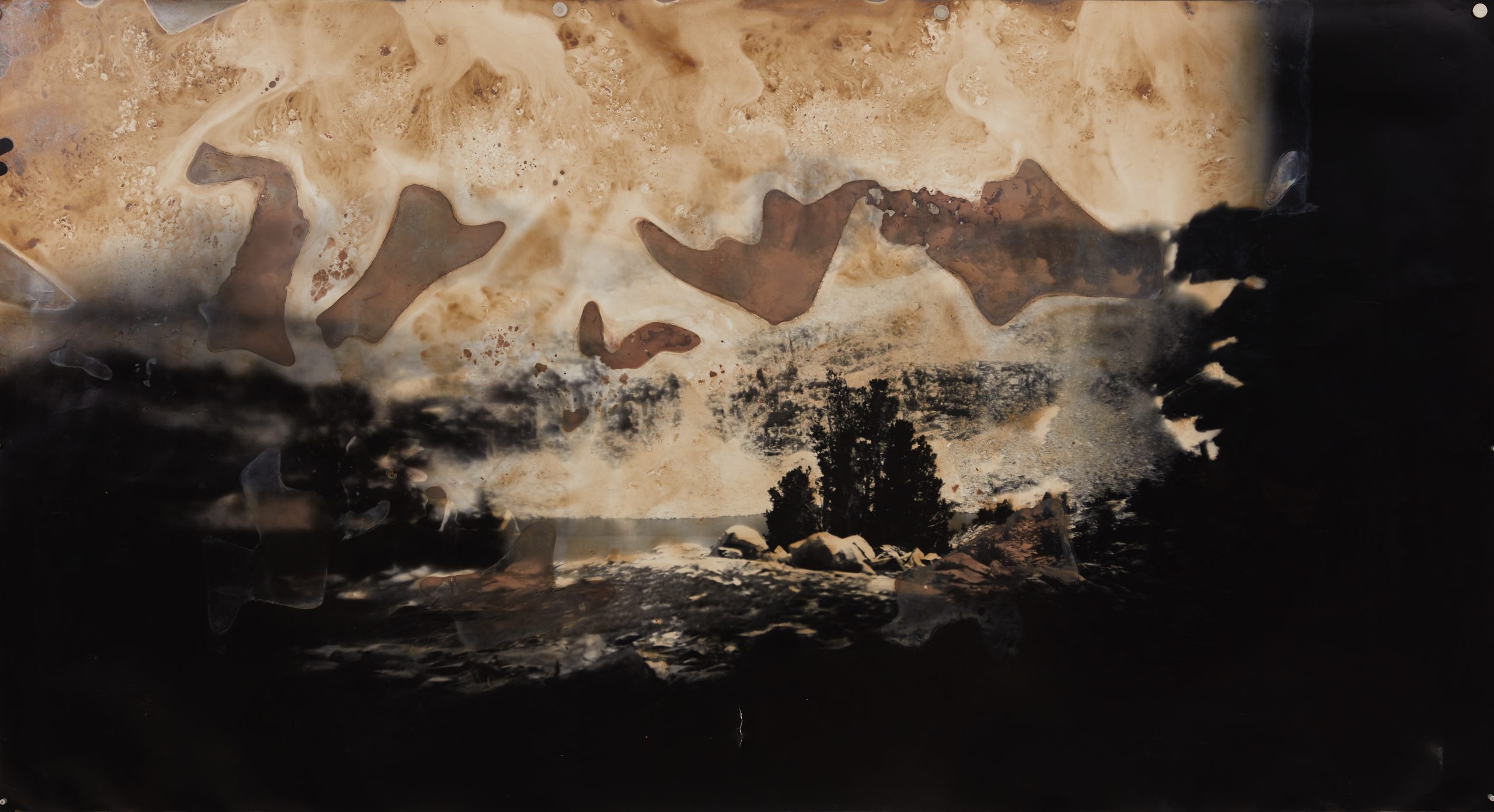
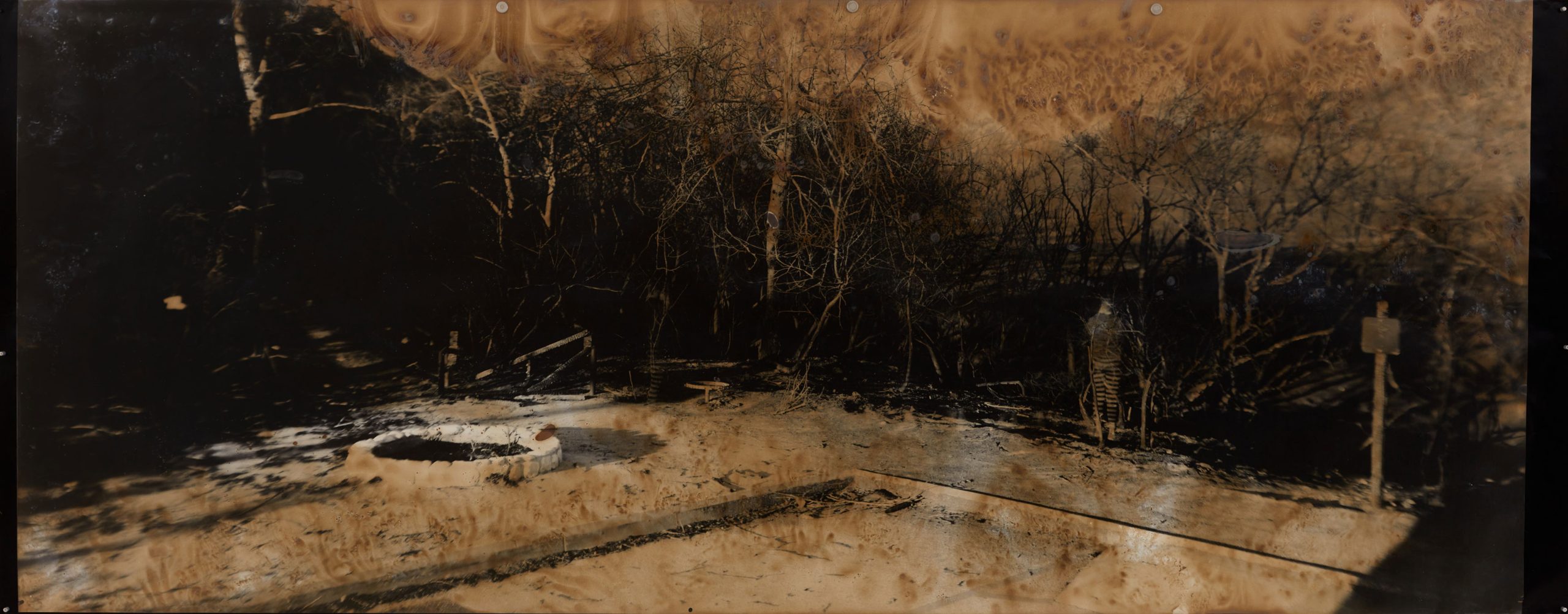
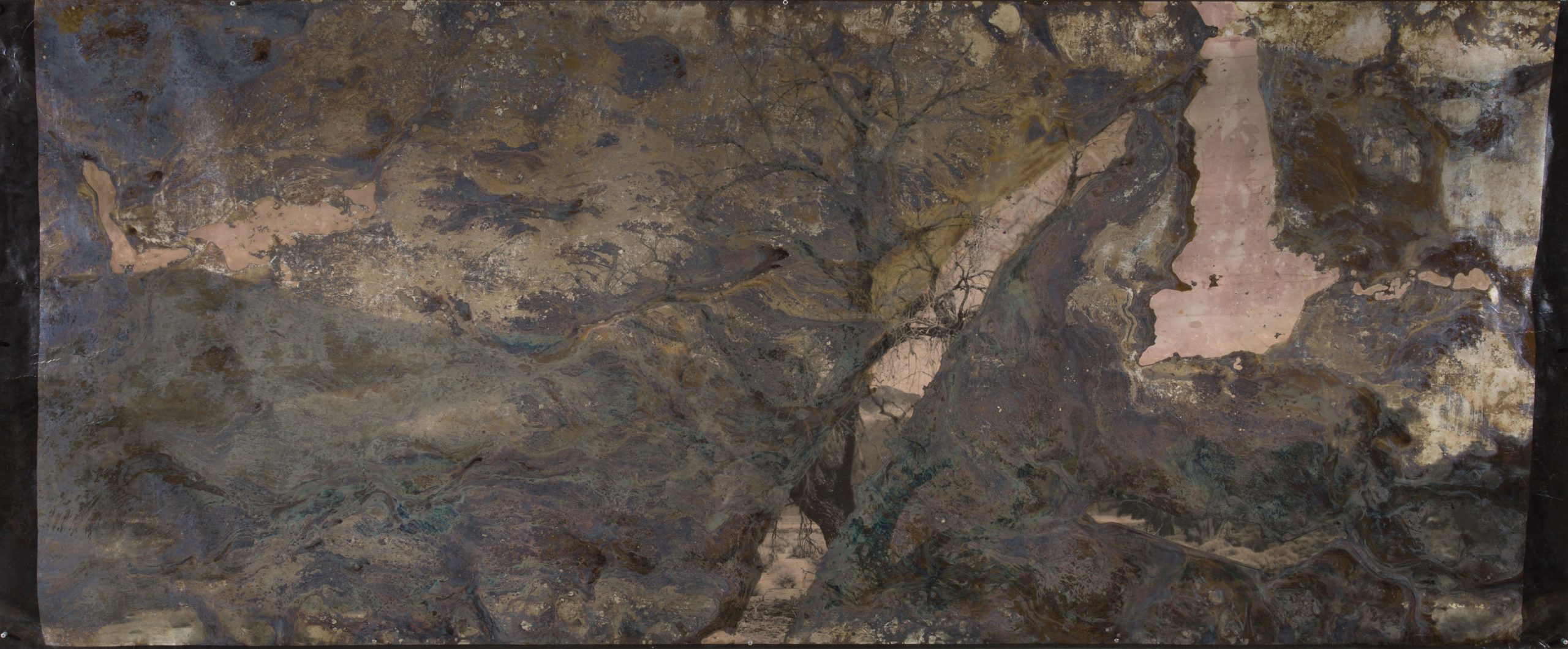
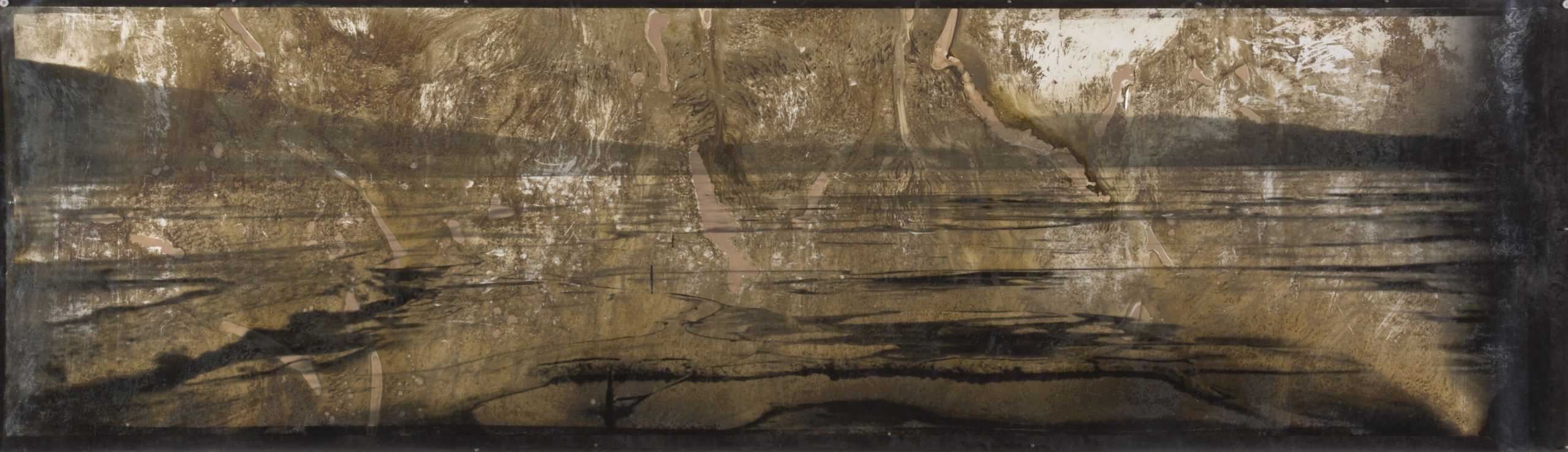
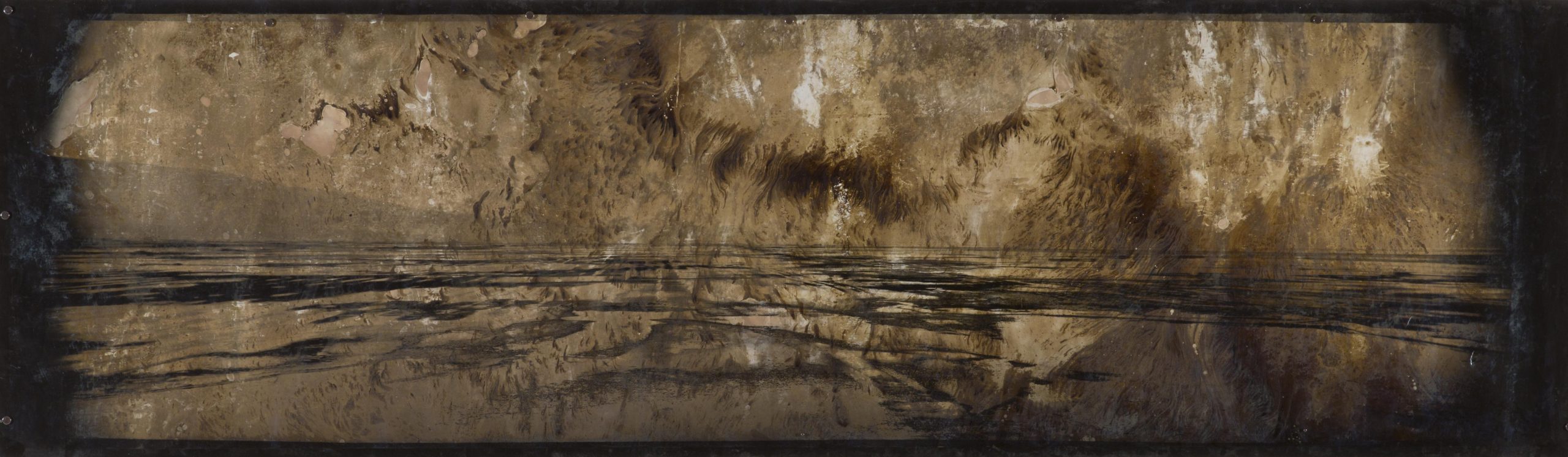
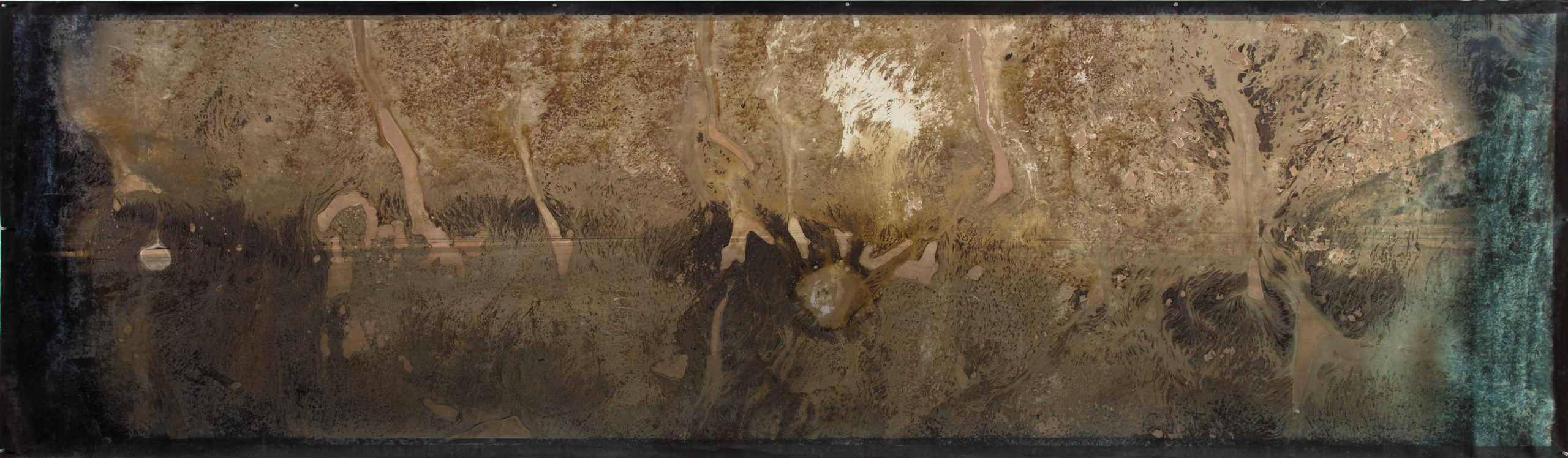
Lakebed development is a photographic process in which images are completed by the landscape itself. Prints are partially developed in the darkroom, then buried overnight in the brine, salt crust, and organic mud of Owens Lake, where heliobacteria, sulfur compounds, naturally occurring sodium thiosulfate, and biological material act as fixing and transformative agents. The resulting photographs are chemically and materially altered by the lake’s ecosystem, producing indexical images made with the landscape rather than simply depicting it.
Desiccation is a process in which finished photographic prints are allowed to dry and dehydrate, causing the gelatin surface to shift, crack, and reconfigure. Environmental forces such as airflow, gravity, and duration physically alter the image, producing indexical photographs shaped by loss of moisture and material stress.
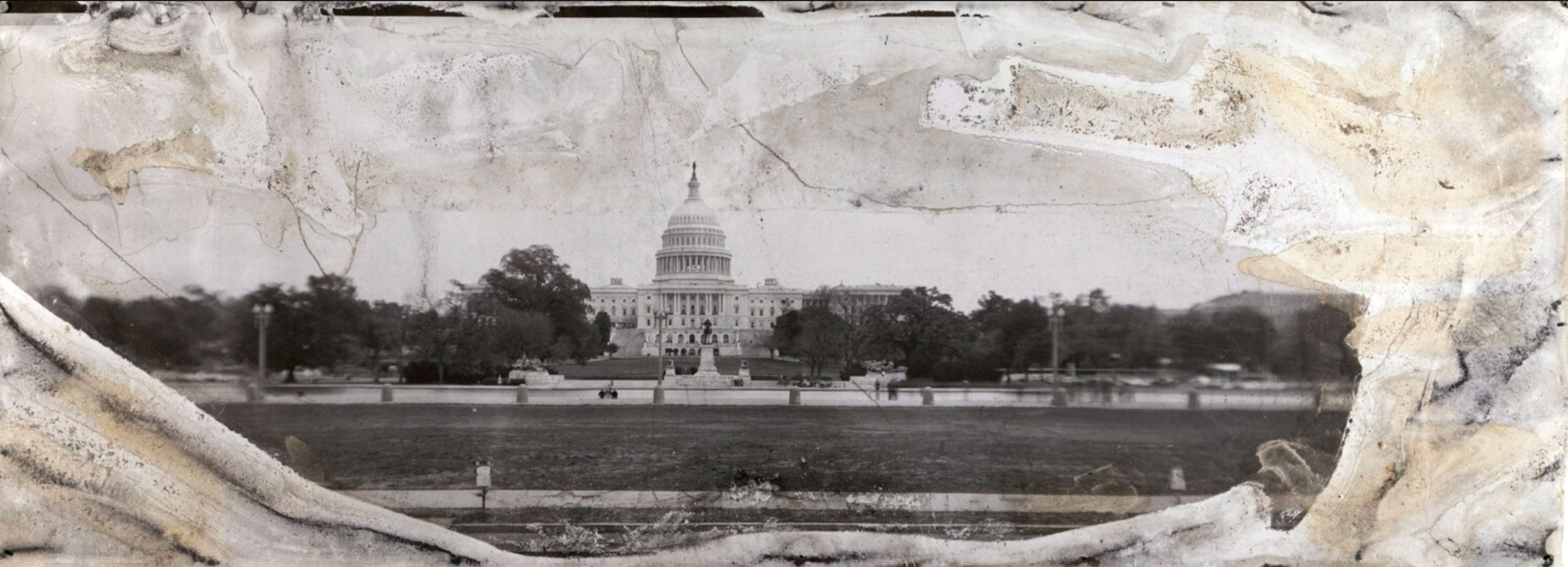
Cmay Desicated Capital 6
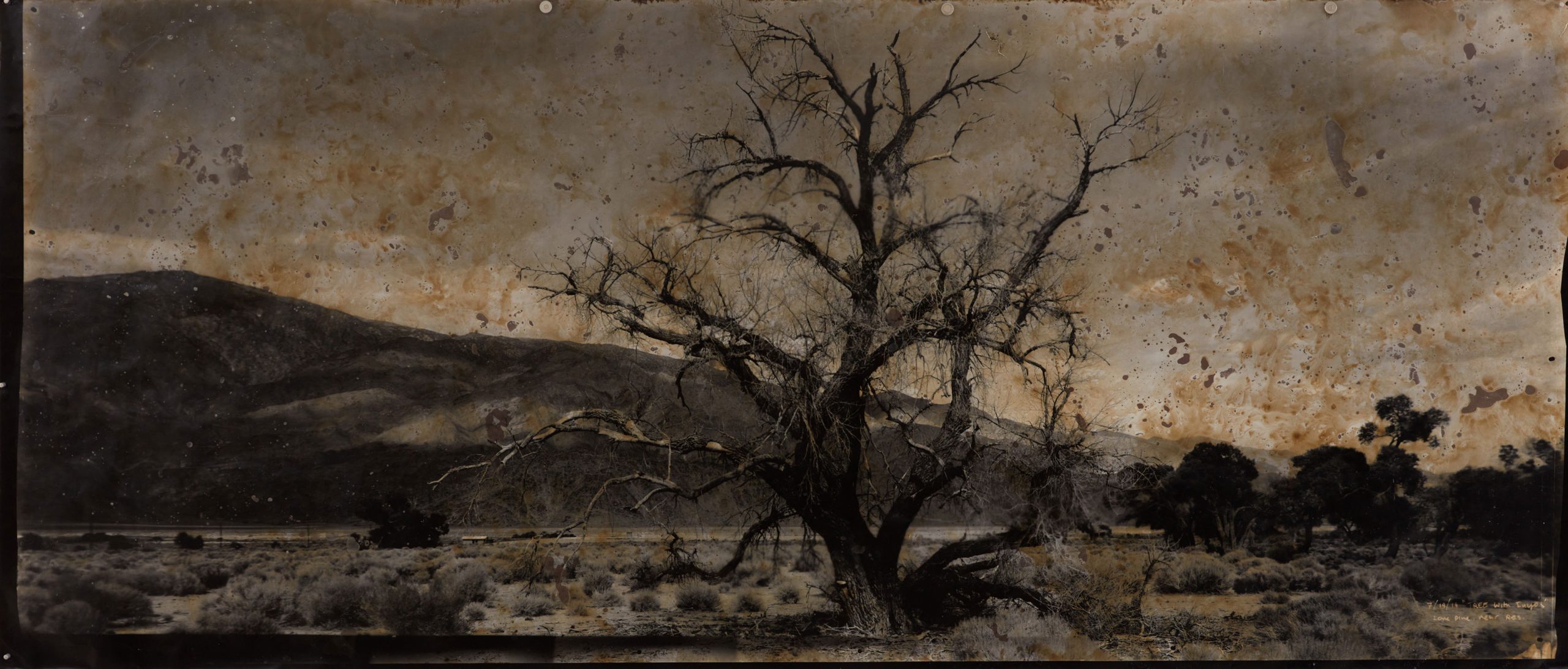
Liminal Photographs
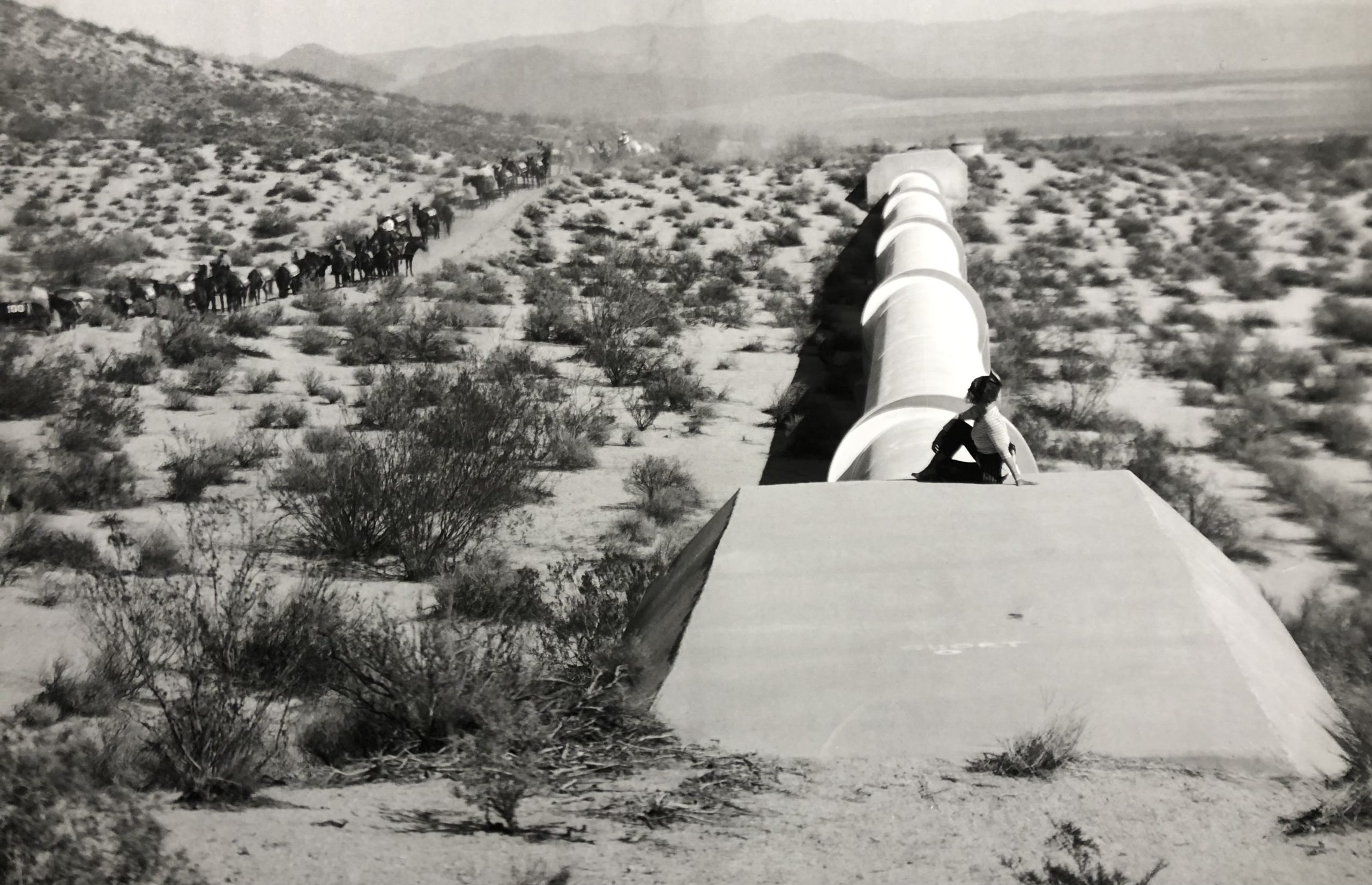
100 Mules walking the LA aquaduct 2013 (LB on the Aquaduct)
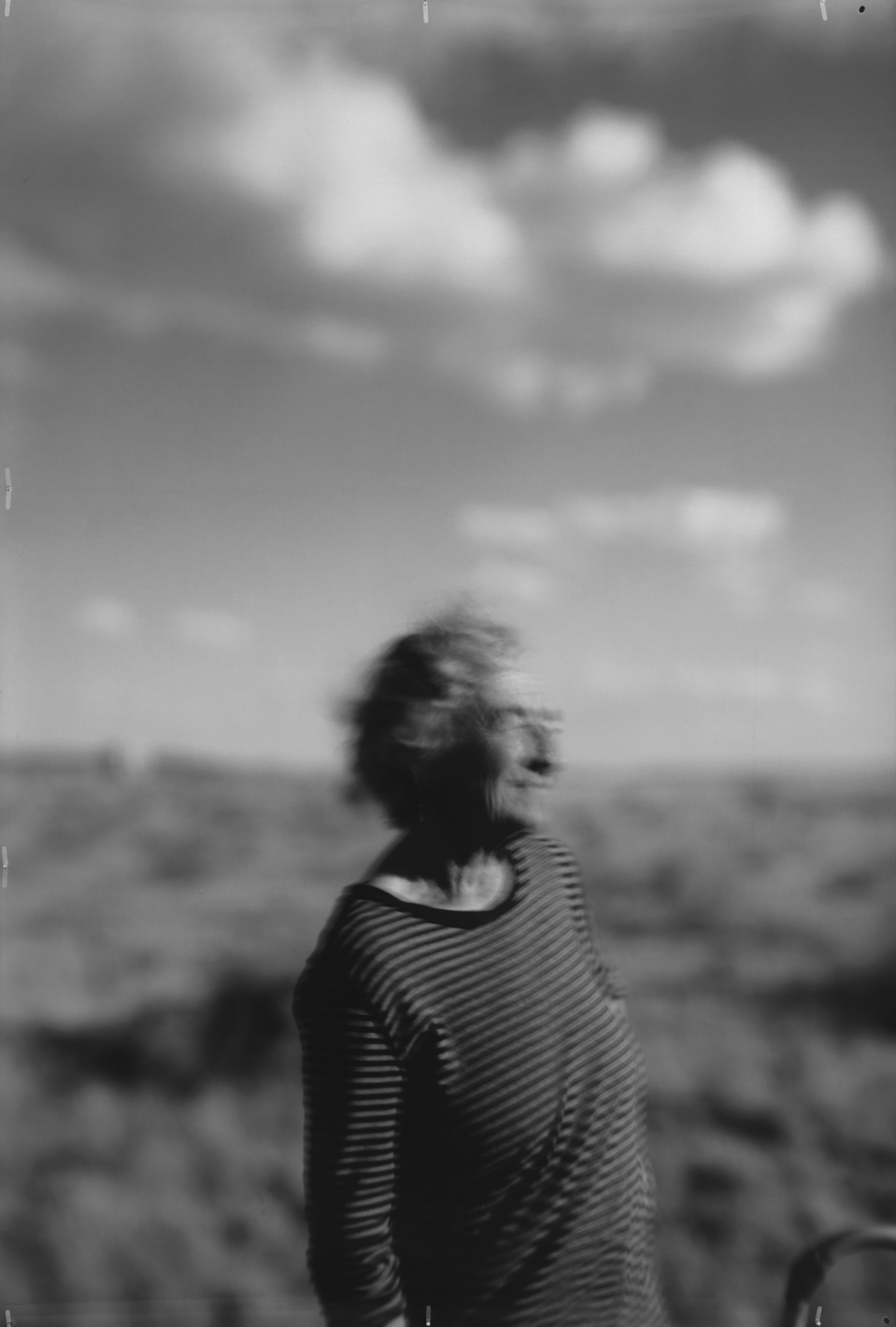
Liminal Photographs are black-and-white works produced at Lauren Bon’s Metabolic Studio by the Optics Division using the Liminal Camera, a large-format optical tool that transforms photography into a spatial and collective experience. This collection includes portraits, infrastructure studies, landscape works from the Intermountain West and the greater North American watersheds, and projects such as Fires of the West and Crisis. These images explore photography as both observation and encounter, emphasizing duration, presence, and materiality over immediacy. Whether documenting communities, environmental transformation, or systems of infrastructure, the work uses liminal space—both optical and psychological—to create moments of reflection and collective witnessing.
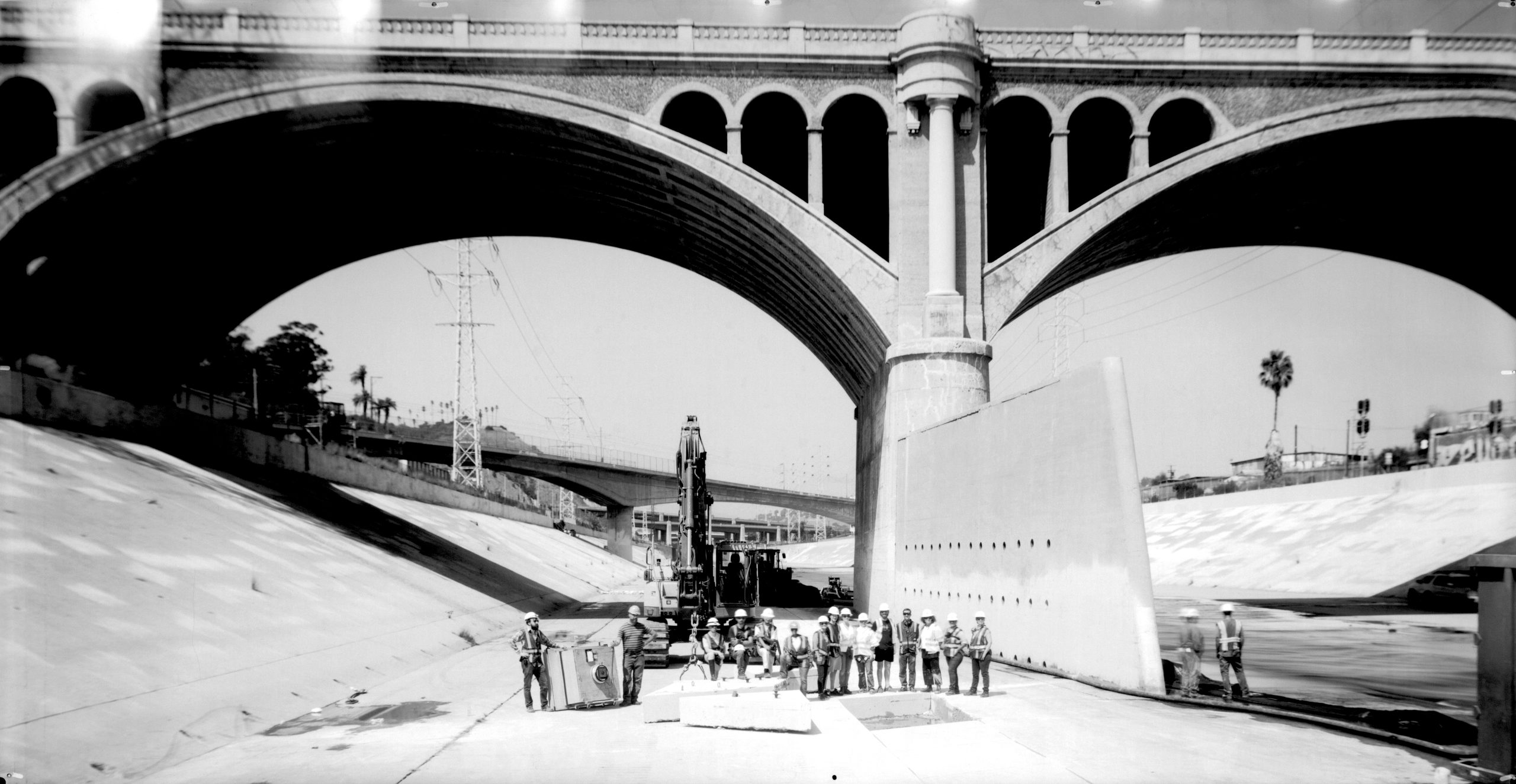
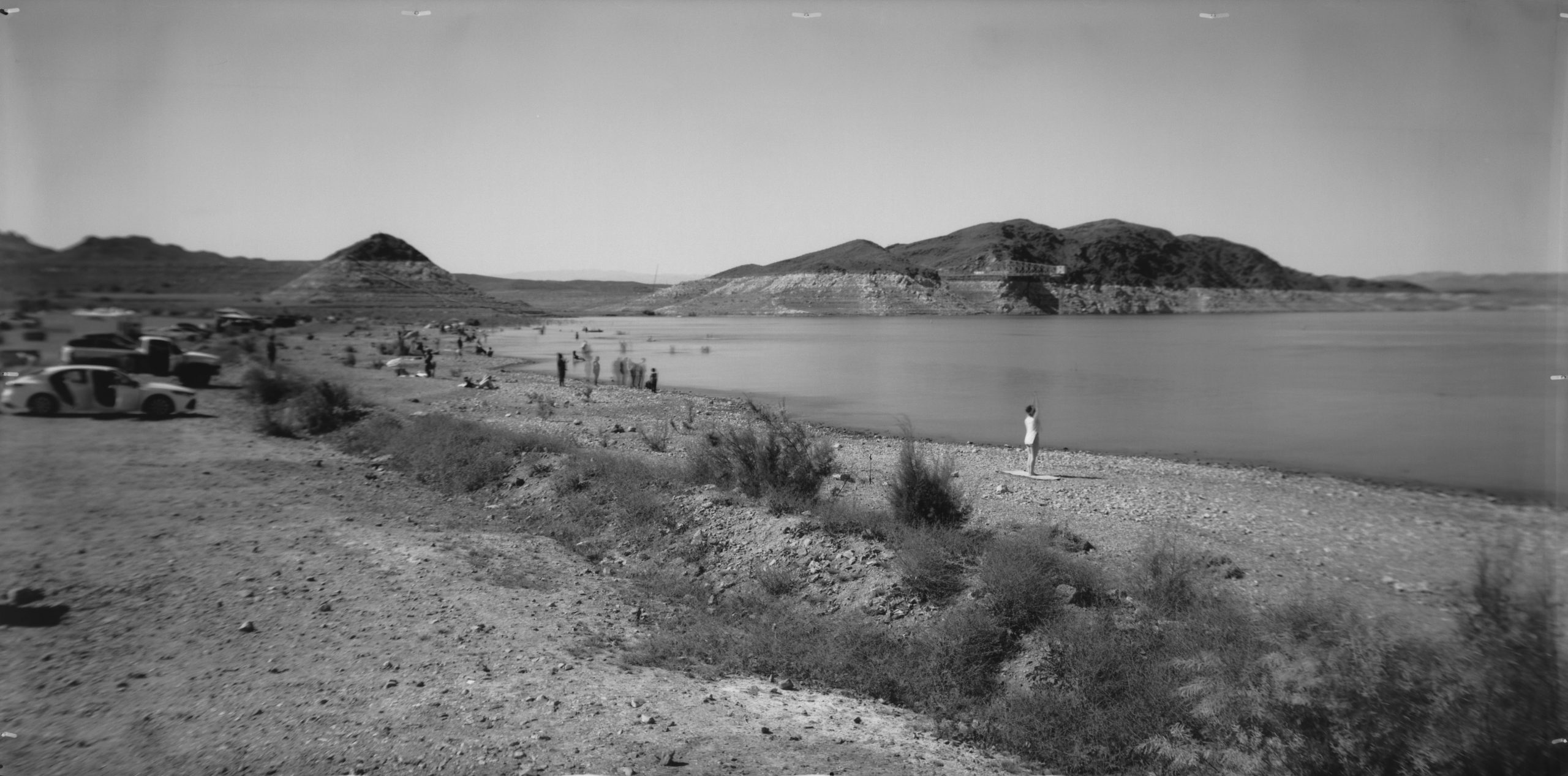
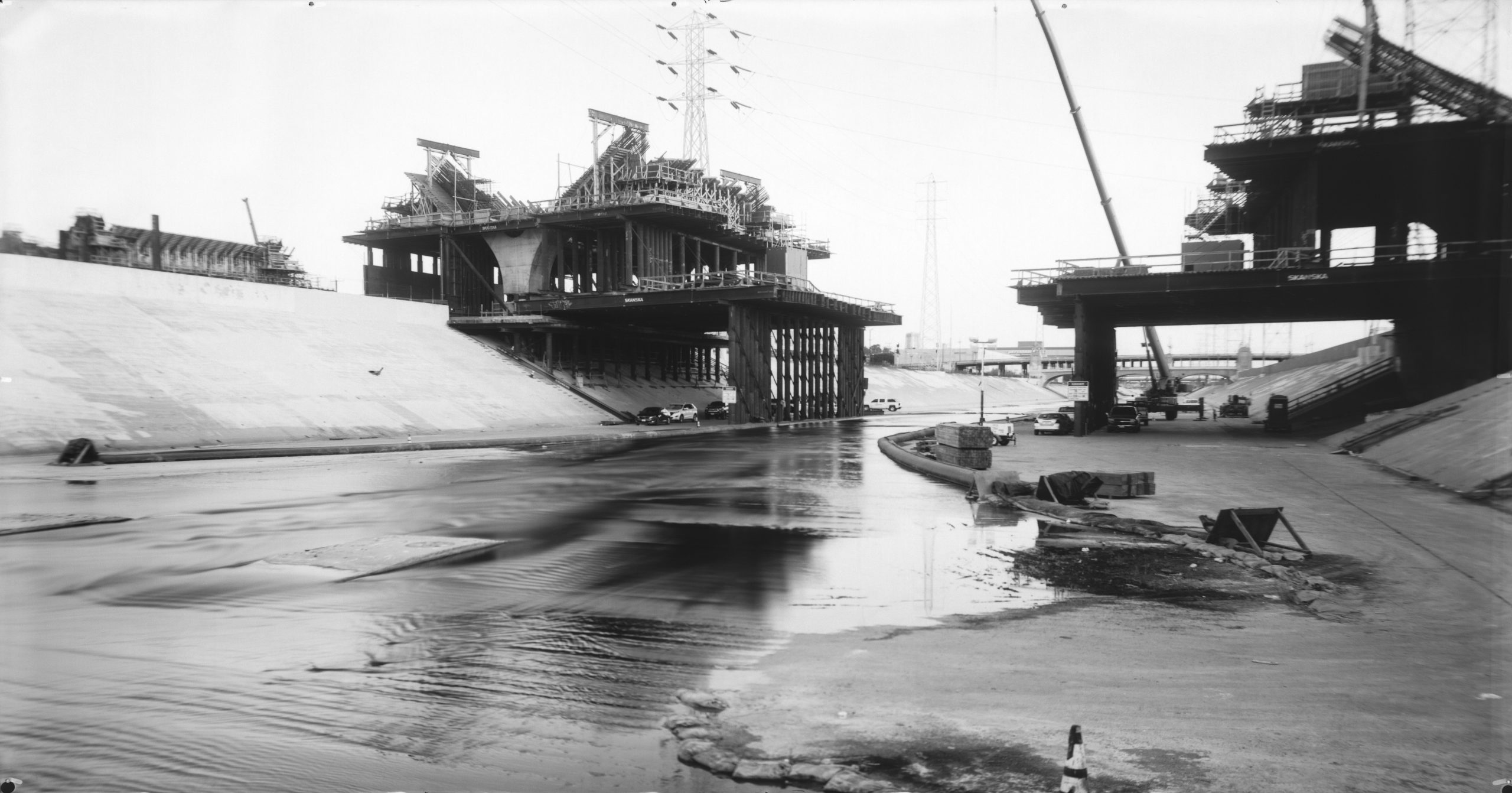
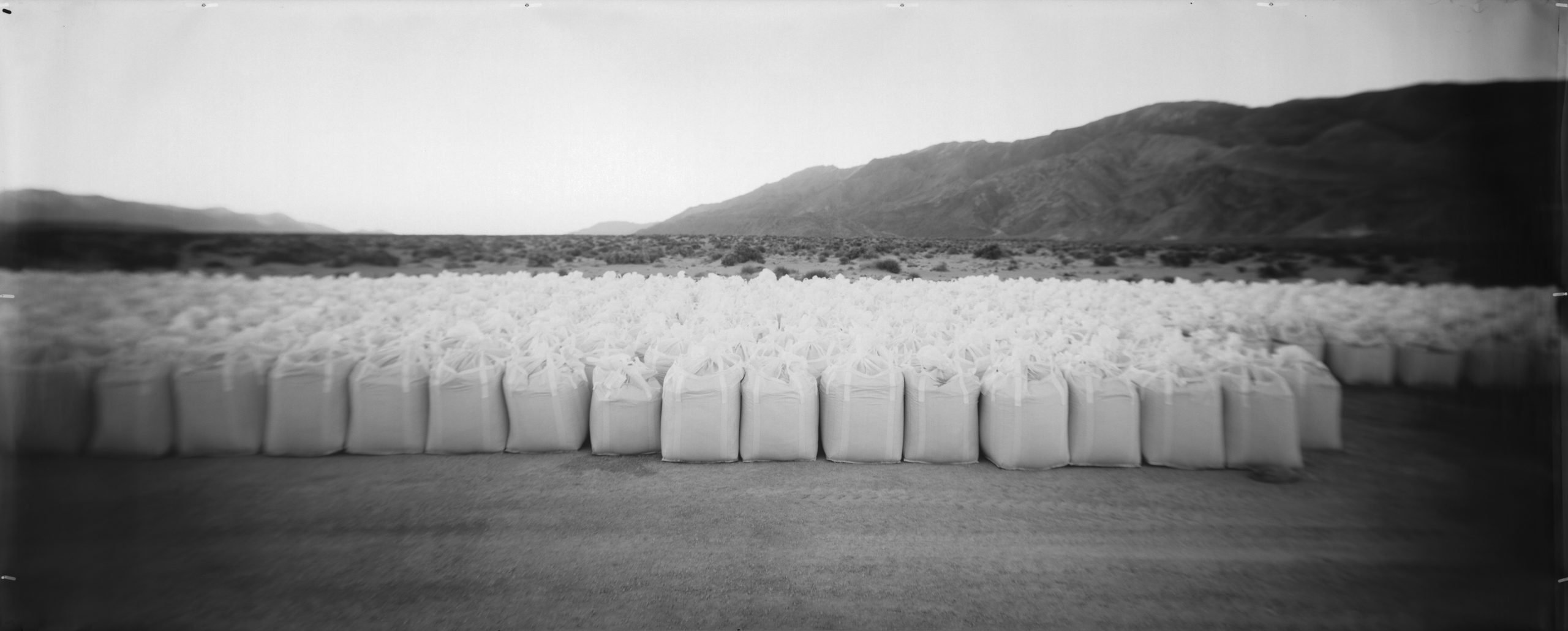
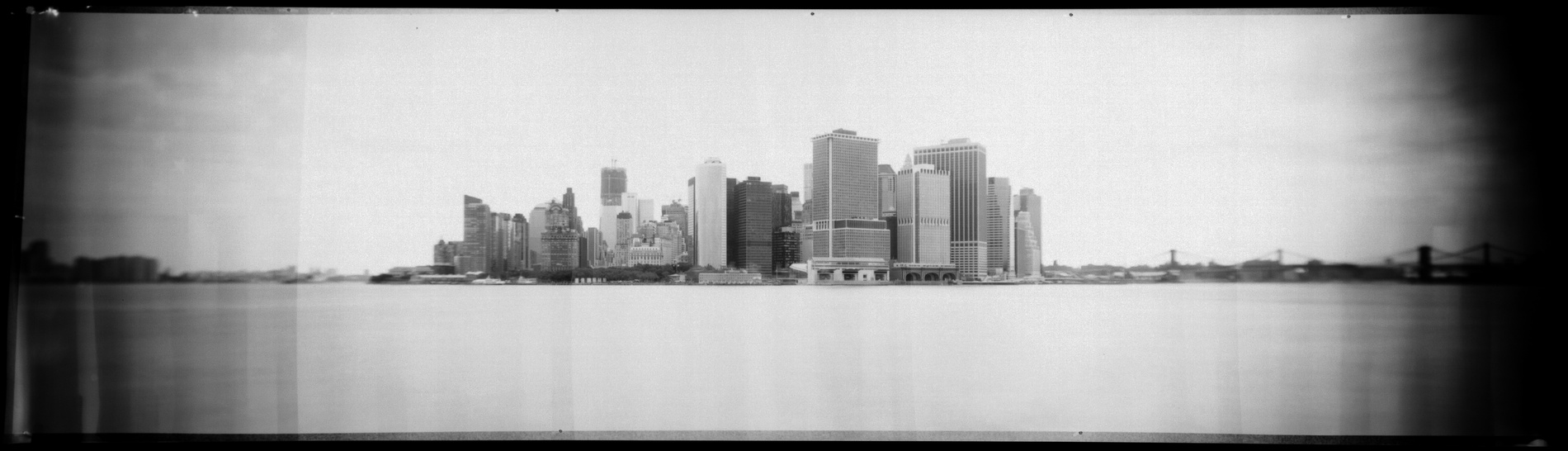
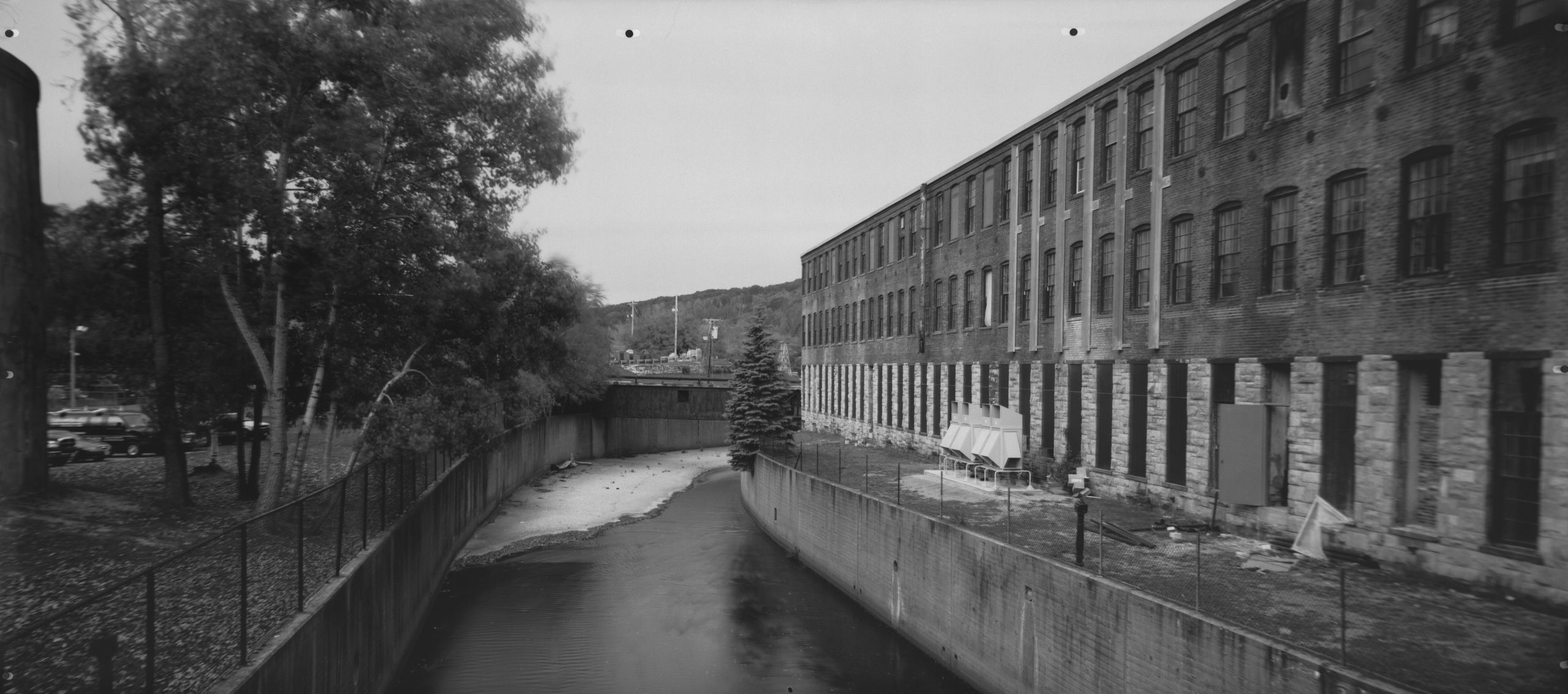
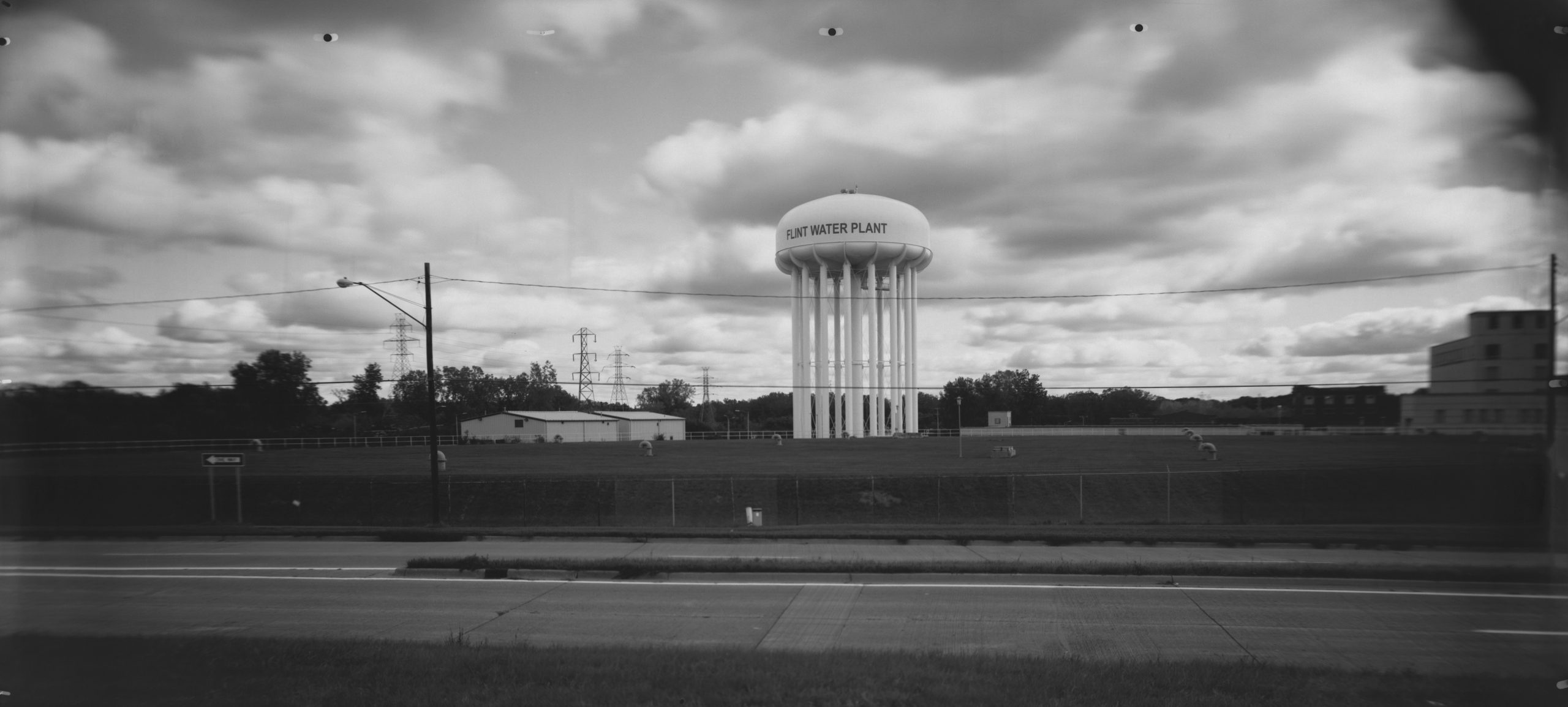
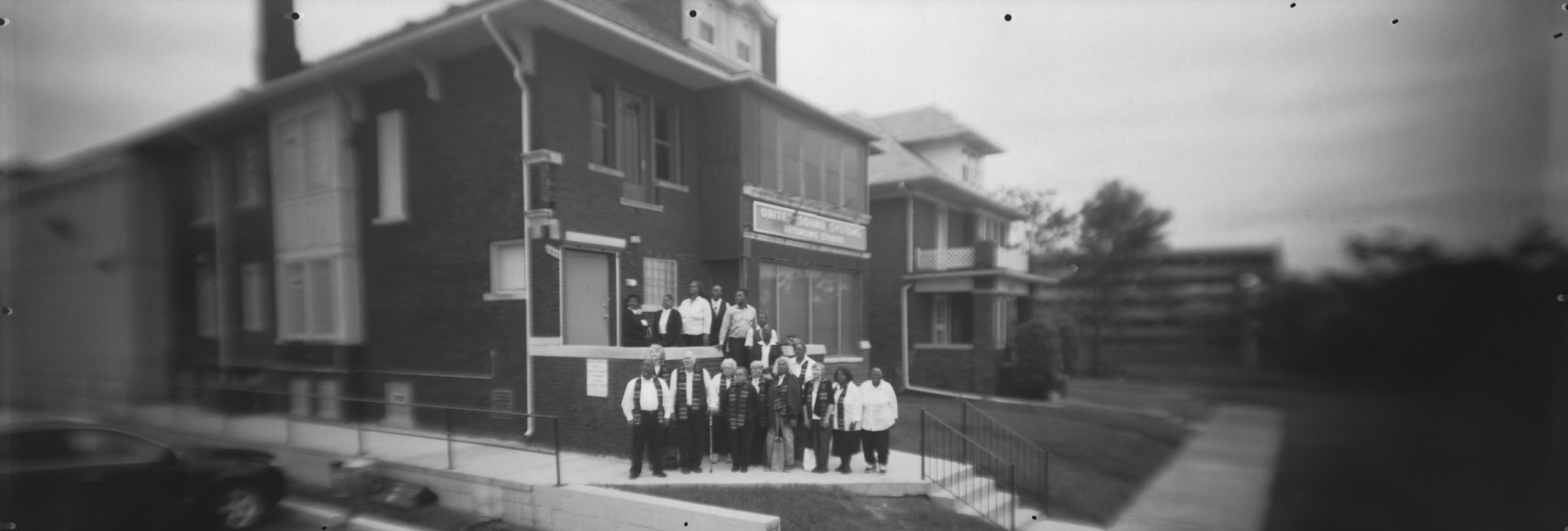
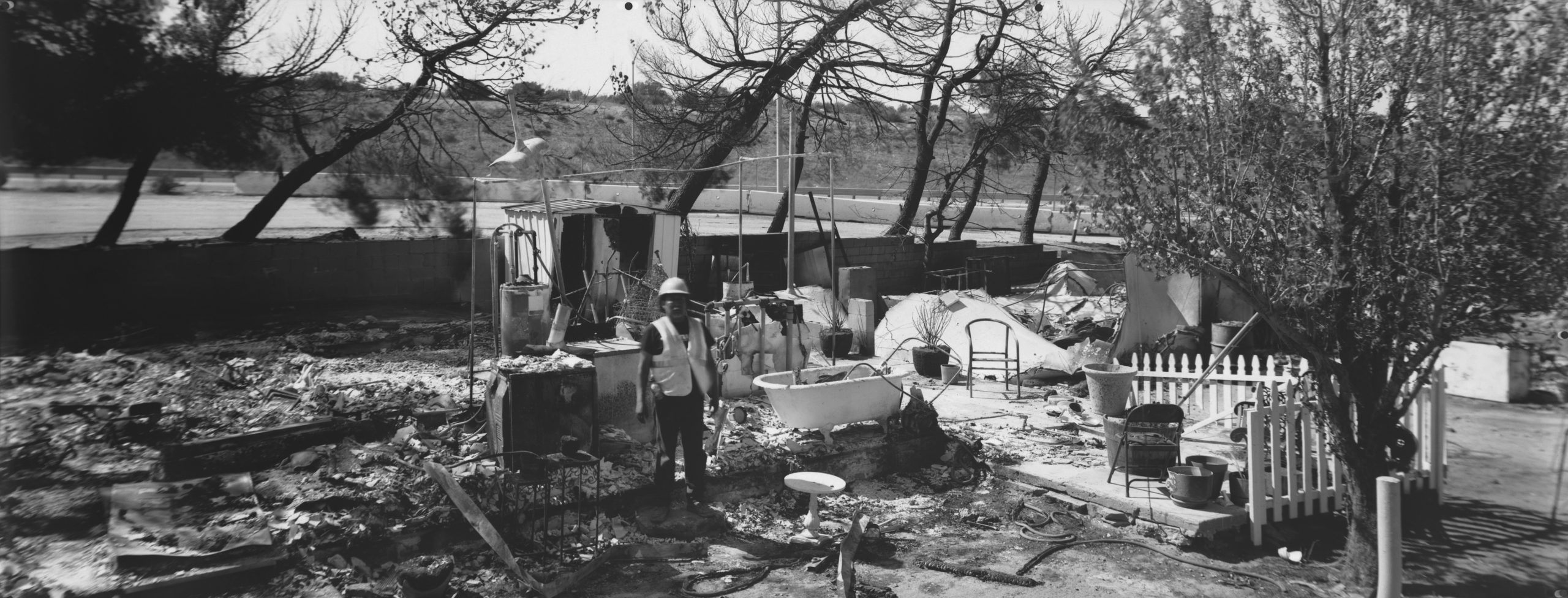
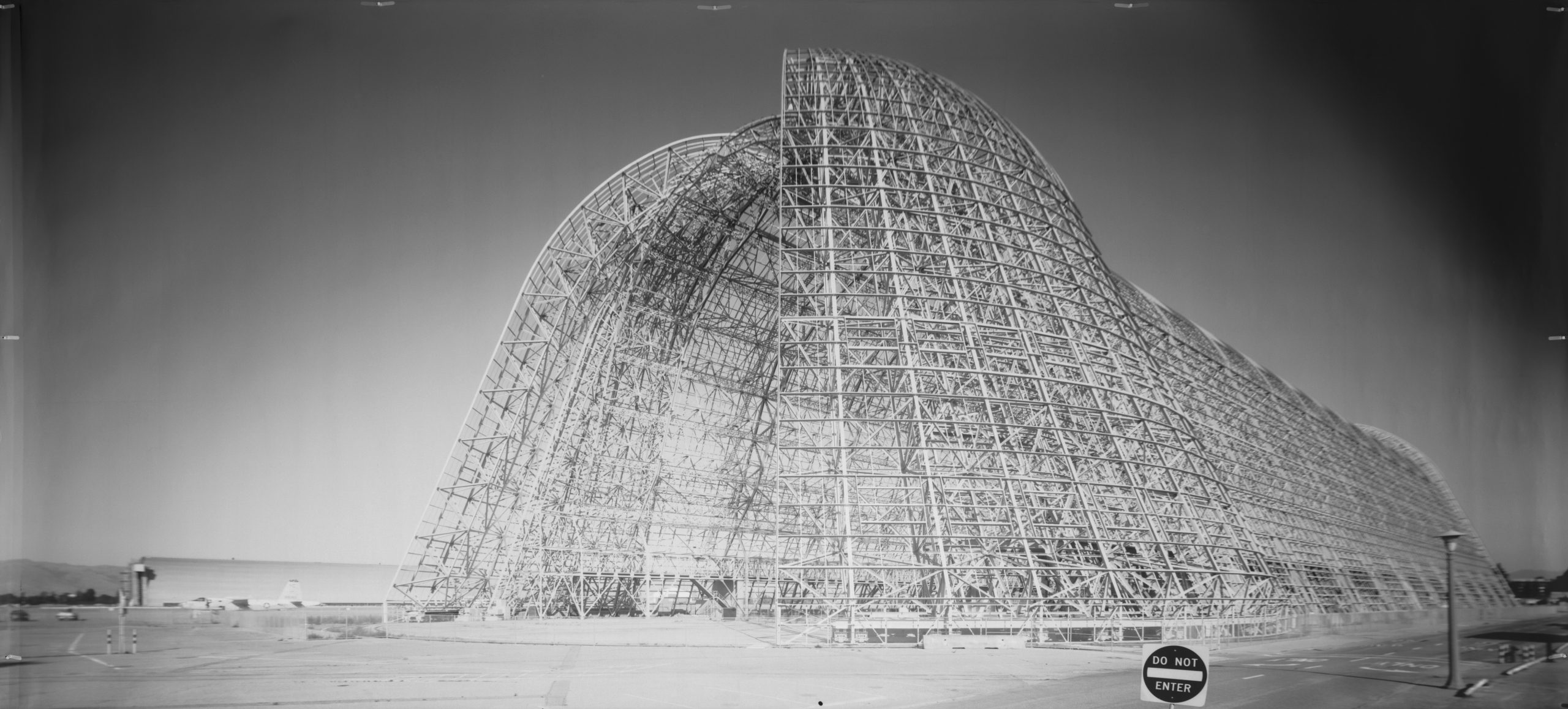
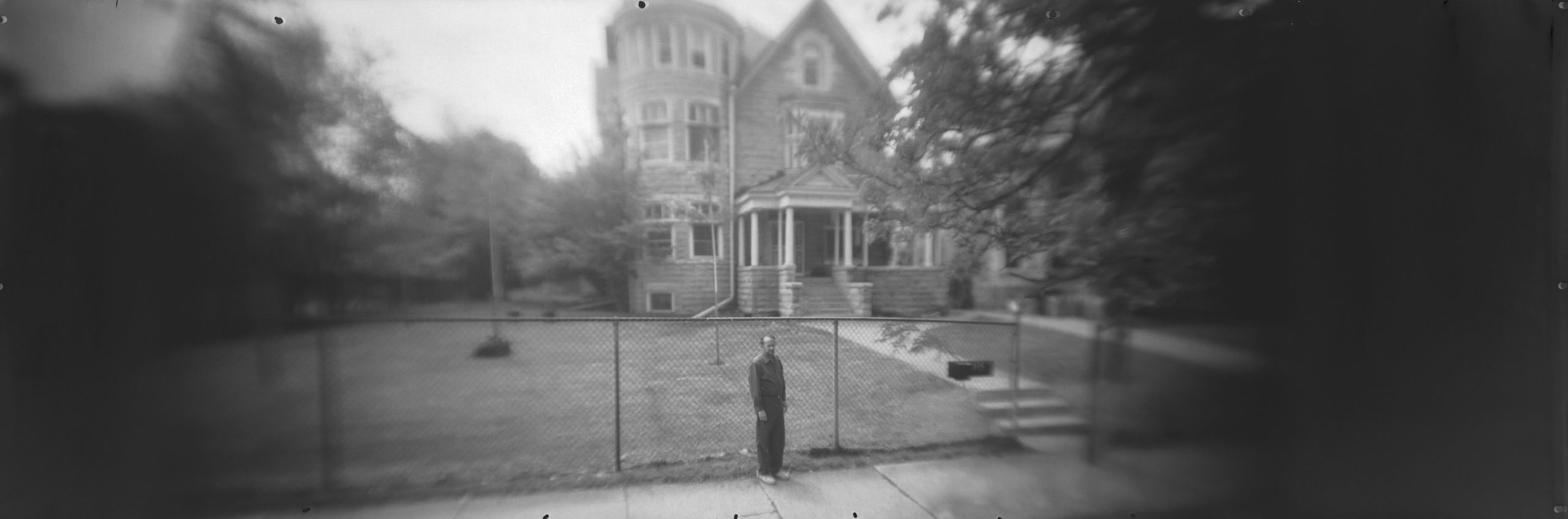
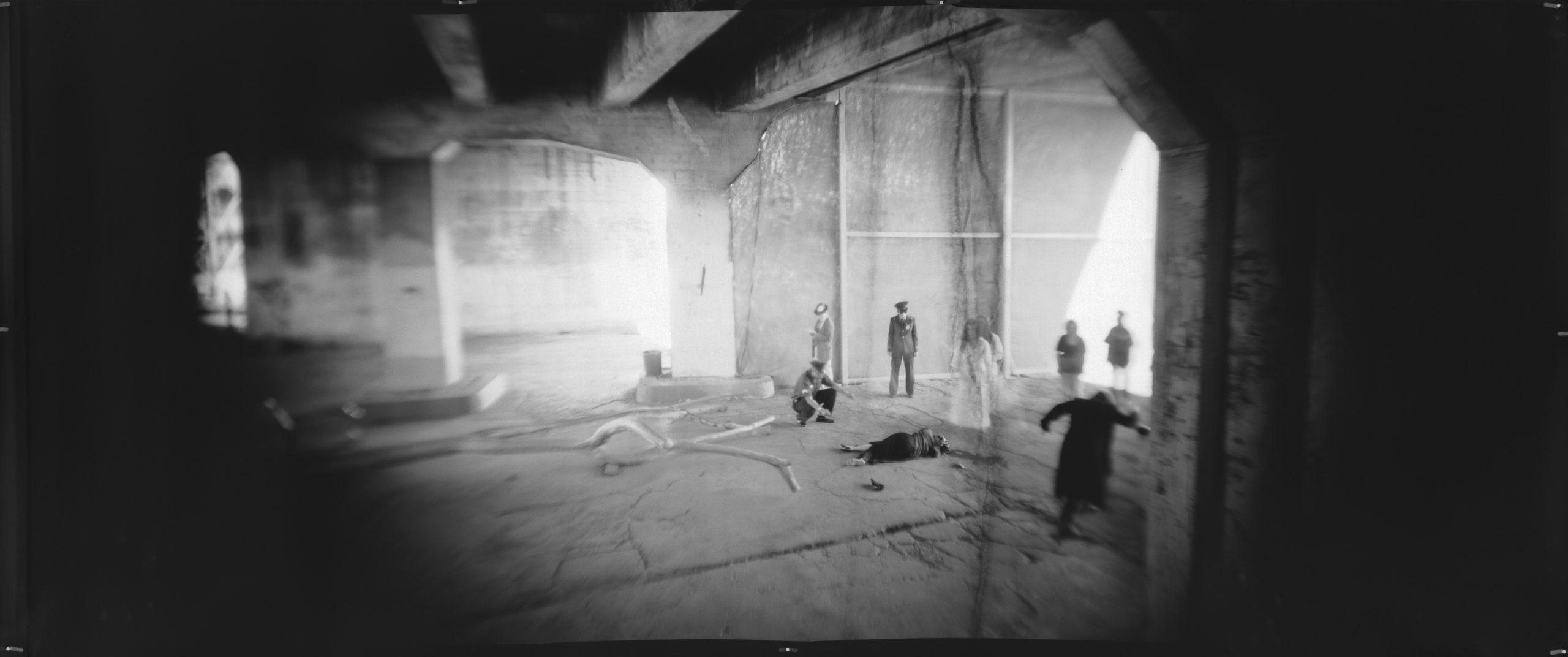
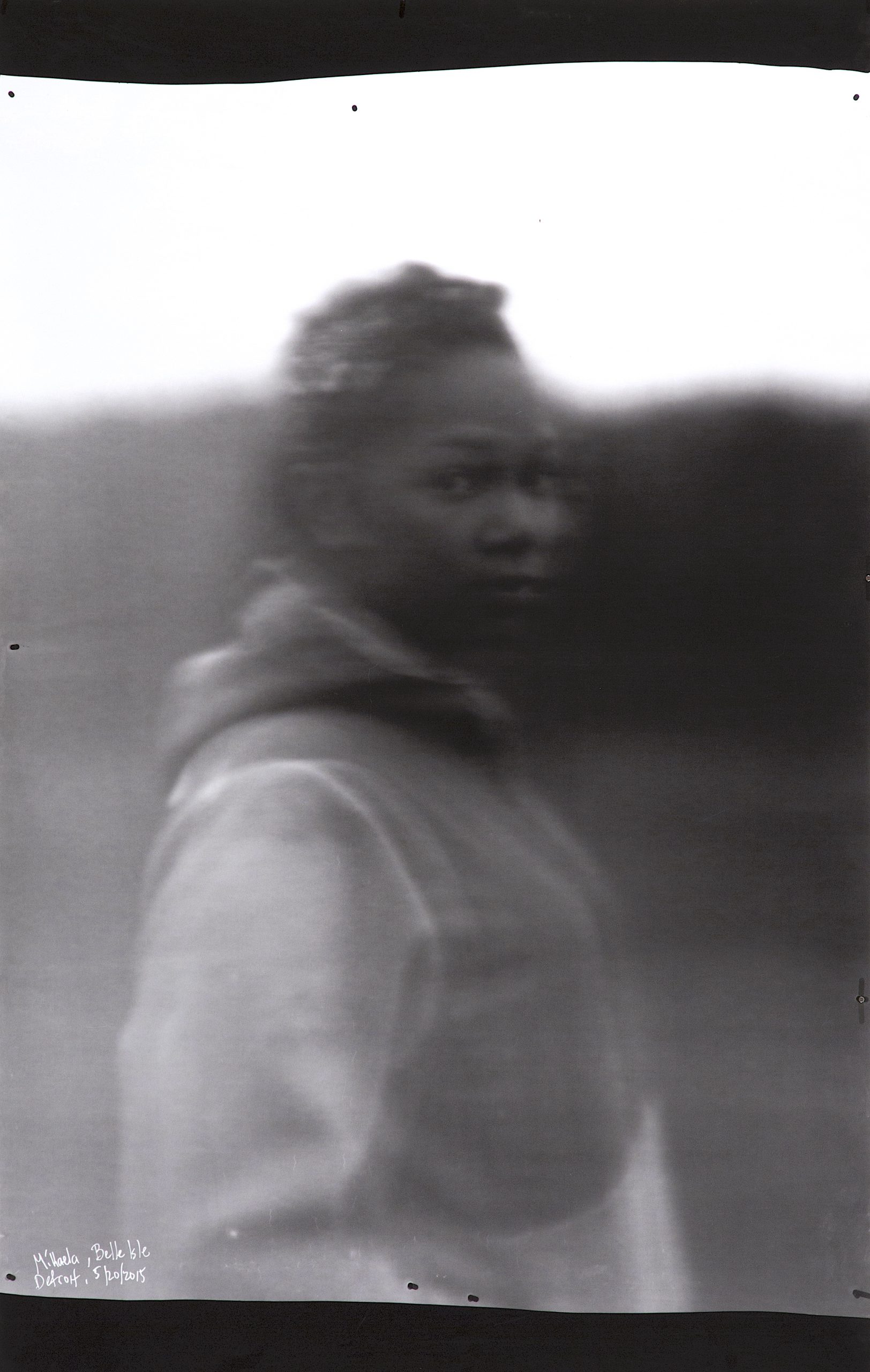
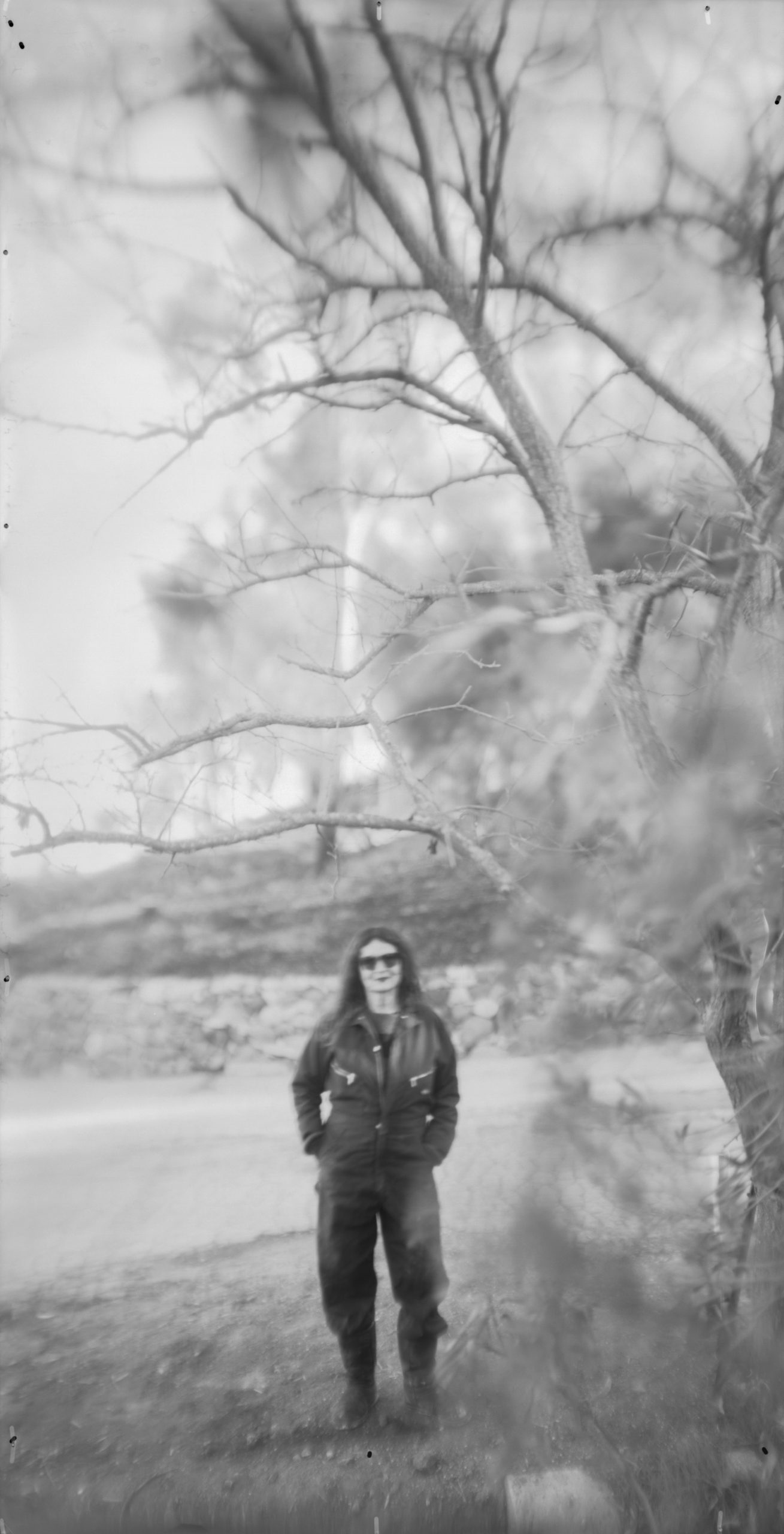
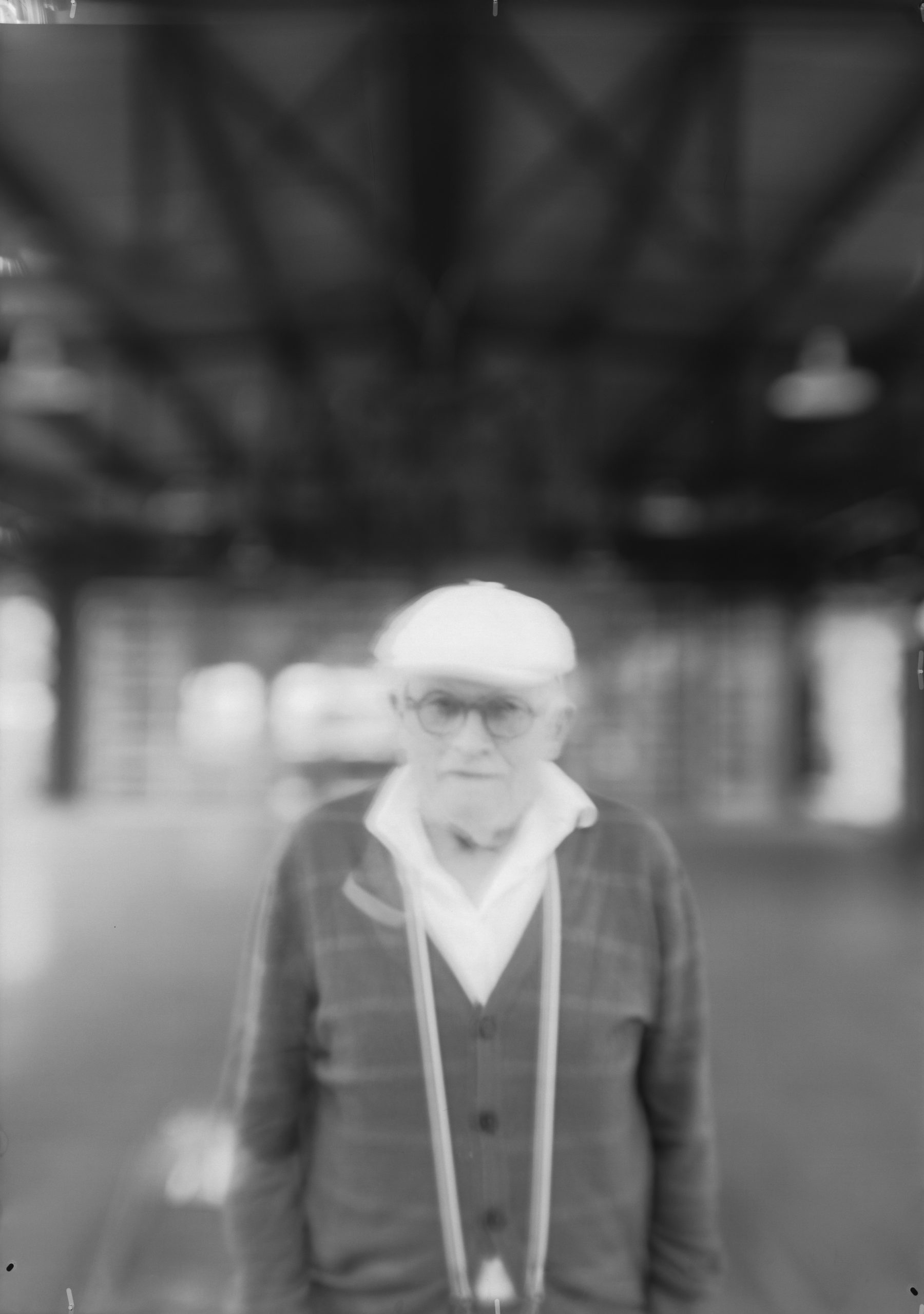
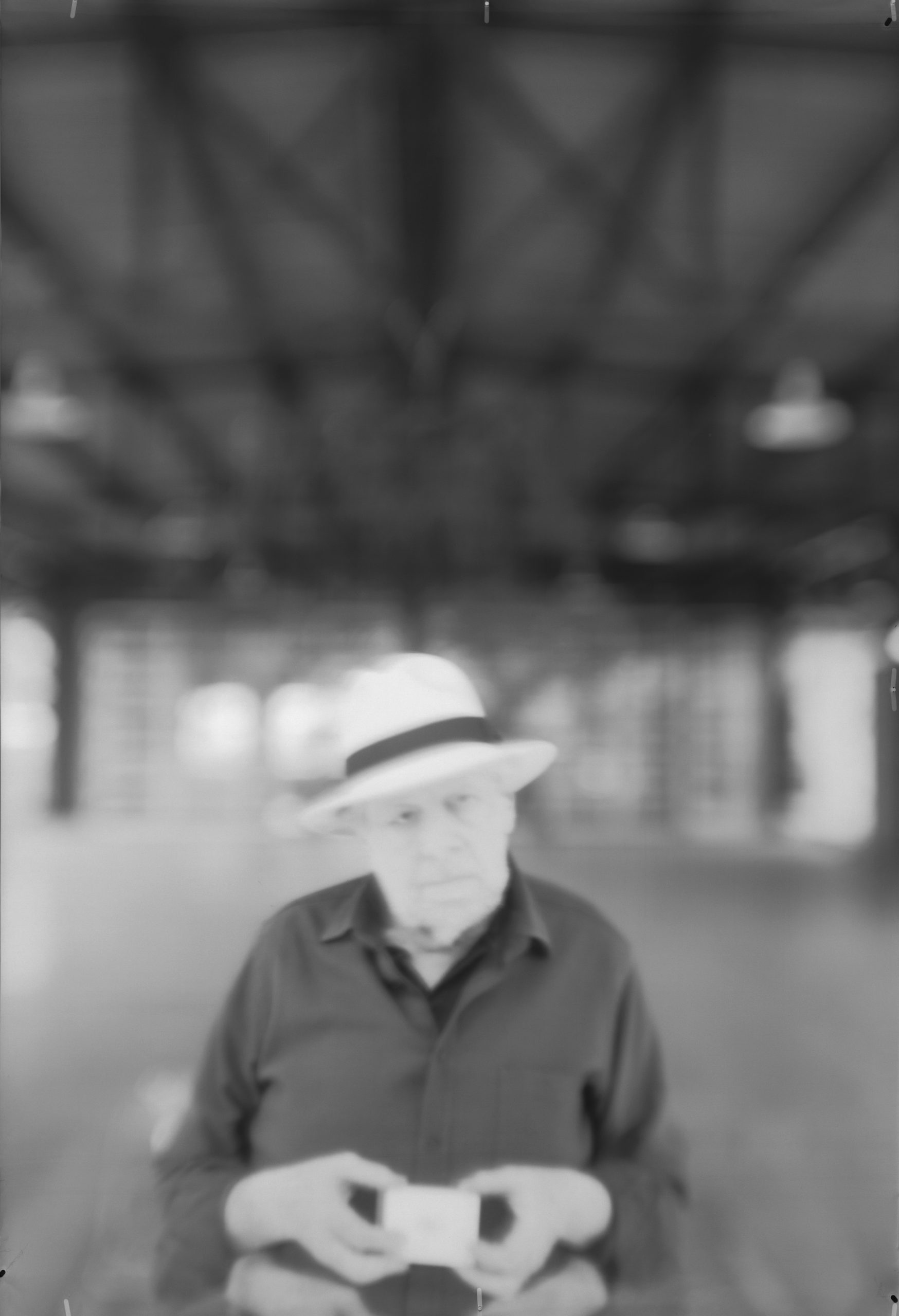
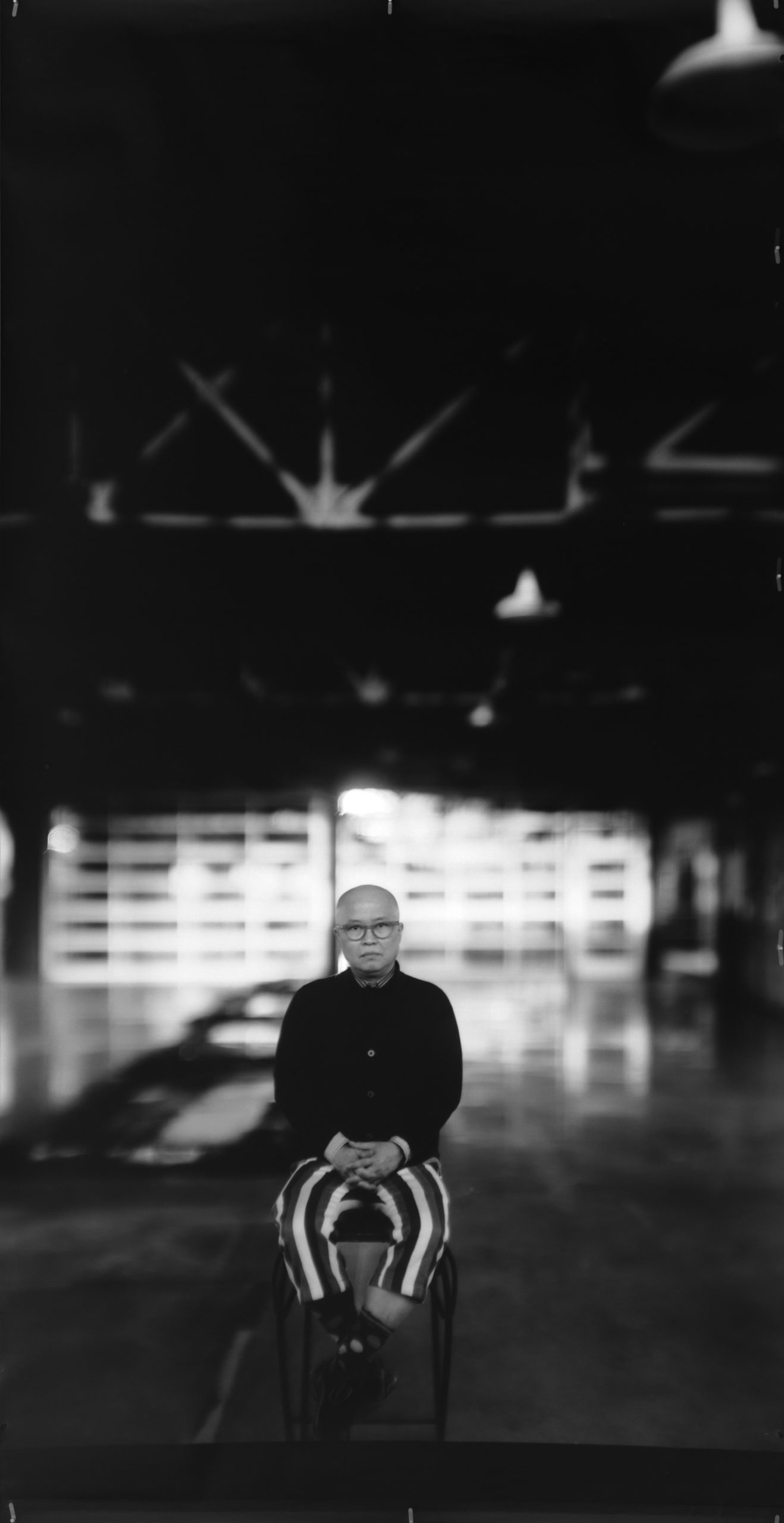
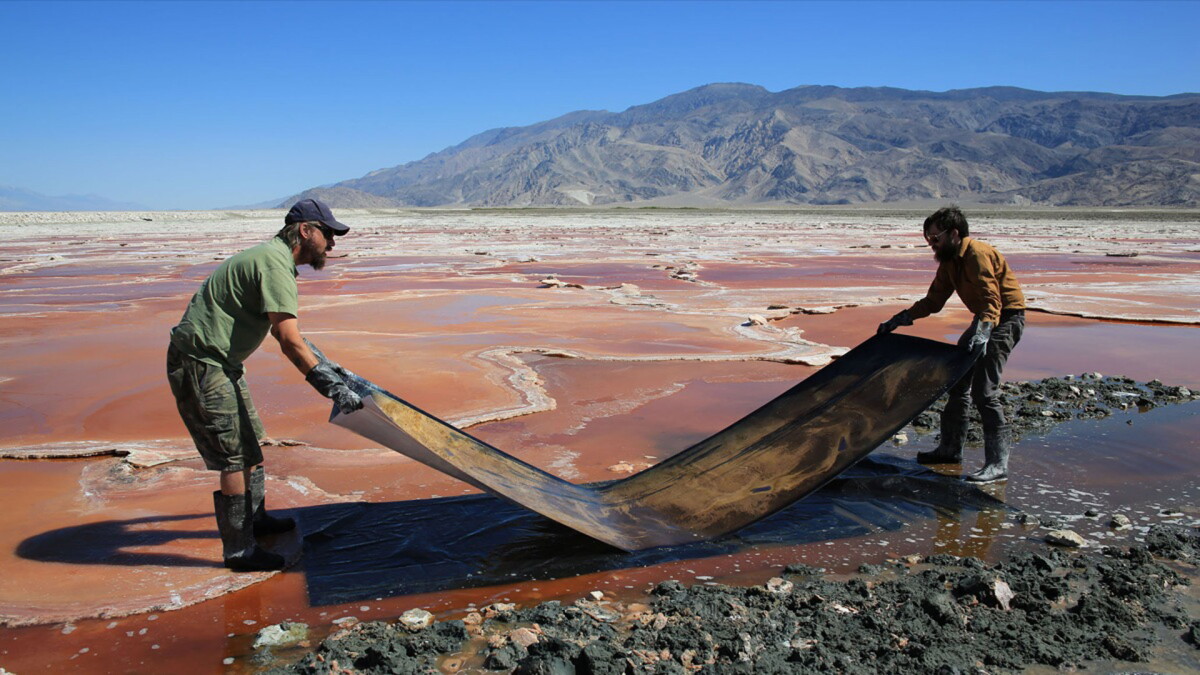
Lakebed development, Mining Photography, Lauren Bon and Richard Nielsen
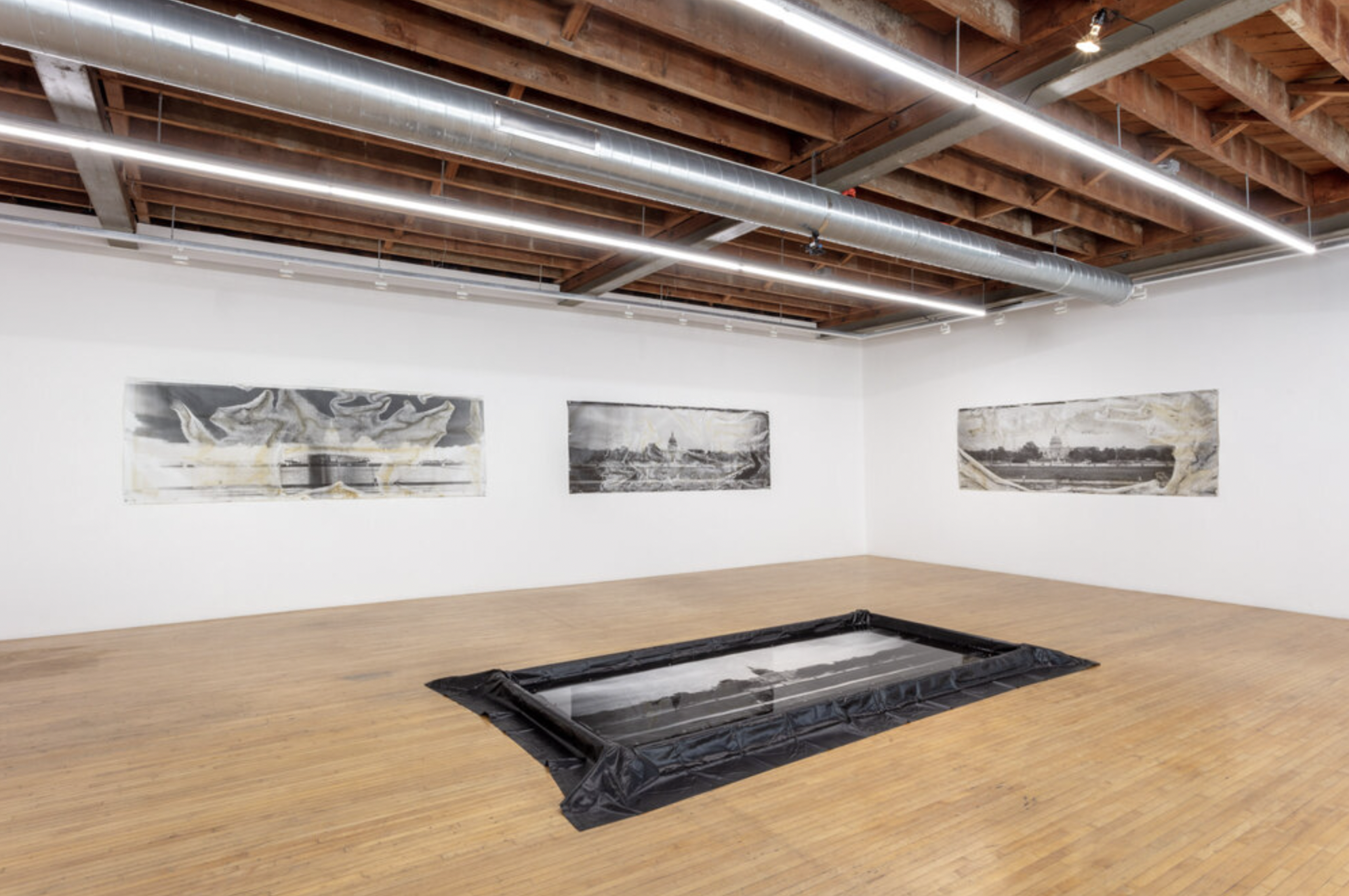
Cmay Exhibition 2020 Desicated Capital 1
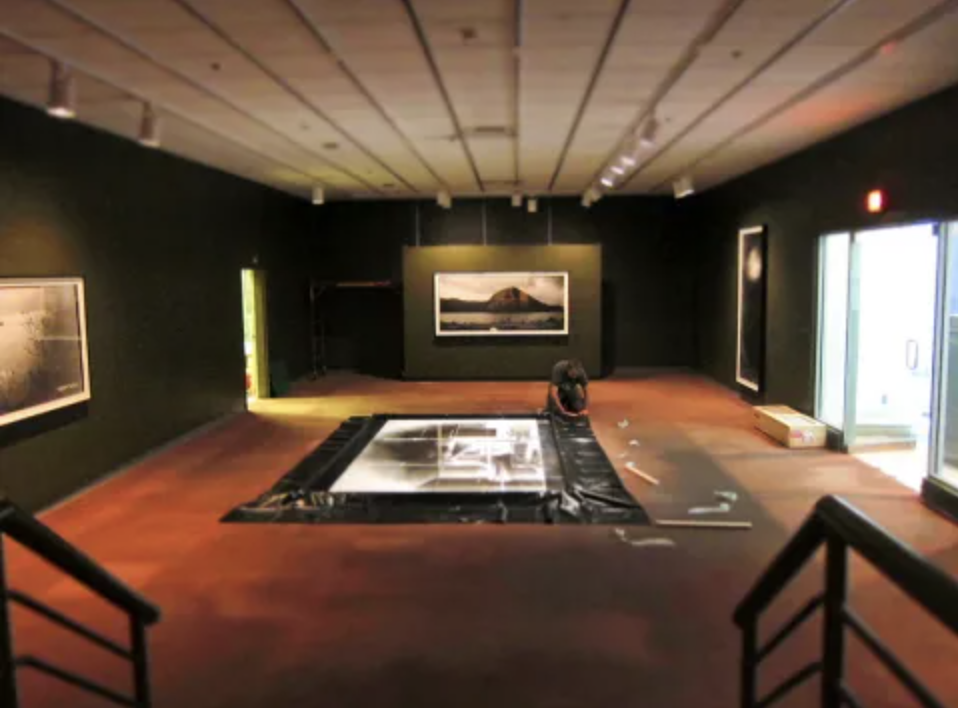
Installation of performative dark room George Eastman Museum
The Metabolic Studio is the long-term artistic practice and collaborative platform founded by Lauren Bon in 2005. Conceived as both an artwork and an evolving site of inquiry, the studio operates at the intersection of art, infrastructure, ecology, and public life. Rather than focusing on discrete objects, Metabolic Studio approaches art as a living process—one rooted in cycles of growth, decay, transformation, and renewal. Its projects engage land, water systems, architecture, agriculture, and collective memory through sustained collaboration with artists, engineers, scientists, institutions, and communities. Central to the studio’s ethos is the belief that art must operate at the same scale as the systems shaping contemporary life, reflected in the guiding phrase adapted from Sherrie Rabinowitz and Kit Galloway: “Artists need to create at the same scale that society has the capacity to destroy.” Within this framework, Metabolic Studio functions not only as a studio, but as a durational artwork dedicated to reimagining how creative practice can participate in environmental, social, and cultural transformation.
The Optics Division is a collaborative photographic wing of Lauren Bon’s Metabolic Studio, dedicated to exploring photography as a material, ecological, and public practice. Developed through the ongoing collaboration between Lauren Bon and Richard Nielsen, alongside a shifting network of artists, photographers, engineers, and community participants, the Optics Division uses custom-built cameras, handmade chemistry, and performative image-making to investigate landscape, infrastructure, environmental transformation, and collective memory. Through projects ranging from the Liminal Camera to lakebed-developed photographs and public workshops, the Division approaches photography not as a solitary act of authorship, but as a shared process of observation, experimentation, and collective witnessing.